10 to 12 years of 18-hour days. $150,000 gone to three scams. Three suicide attempts. A heart attack. Months unable to walk. And the loneliness that almost finished what the scams started. This is the story behind Elysium Care — told exactly as it happened.
This story does not start with the fall. It starts much earlier — with a boy who had no connections, no inheritance, no shortcut, and the most dangerous kind of hunger: the hunger of someone who genuinely believes they can build something real with their own two hands.
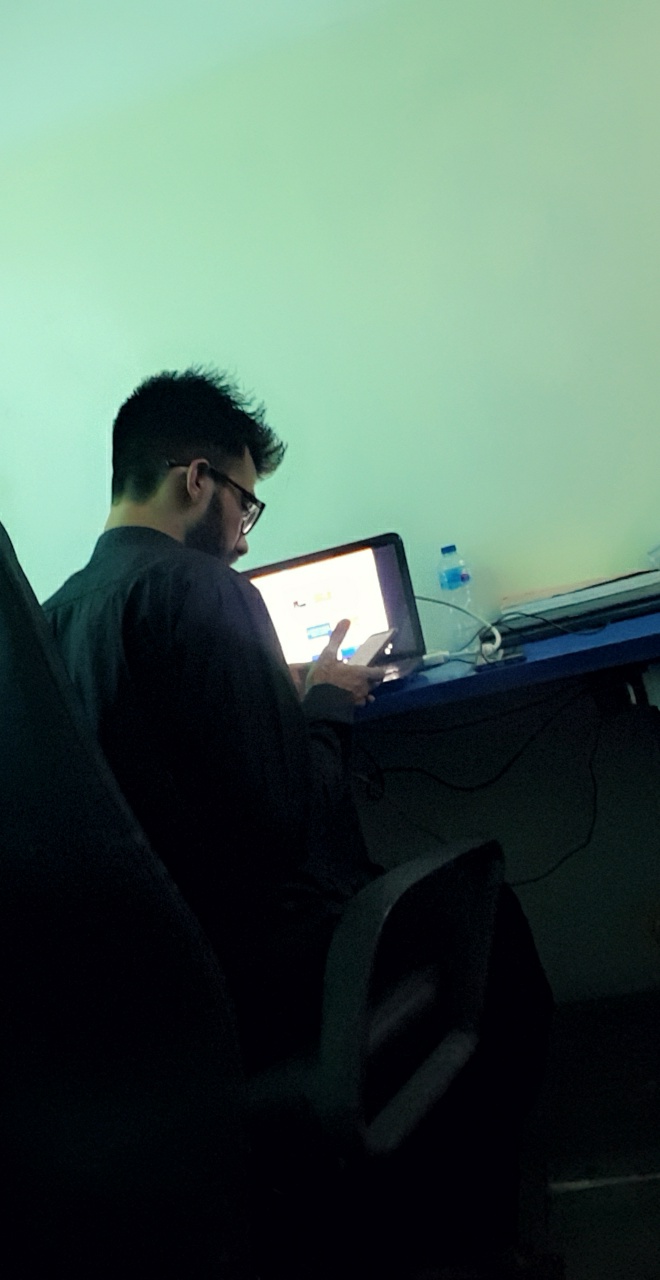
For 10 to 12 years, Arshad Noor worked 14 to 18 hours a day. Not occasionally. Not during crunch periods. Every single day. He tried small businesses. Side hustles. Always searching — what is the thing I am meant to build? What is the work that is mine? He tried, failed, tried again, failed again, got up again. While most people slept, he was working. While most people rested on weekends, he was in the office.
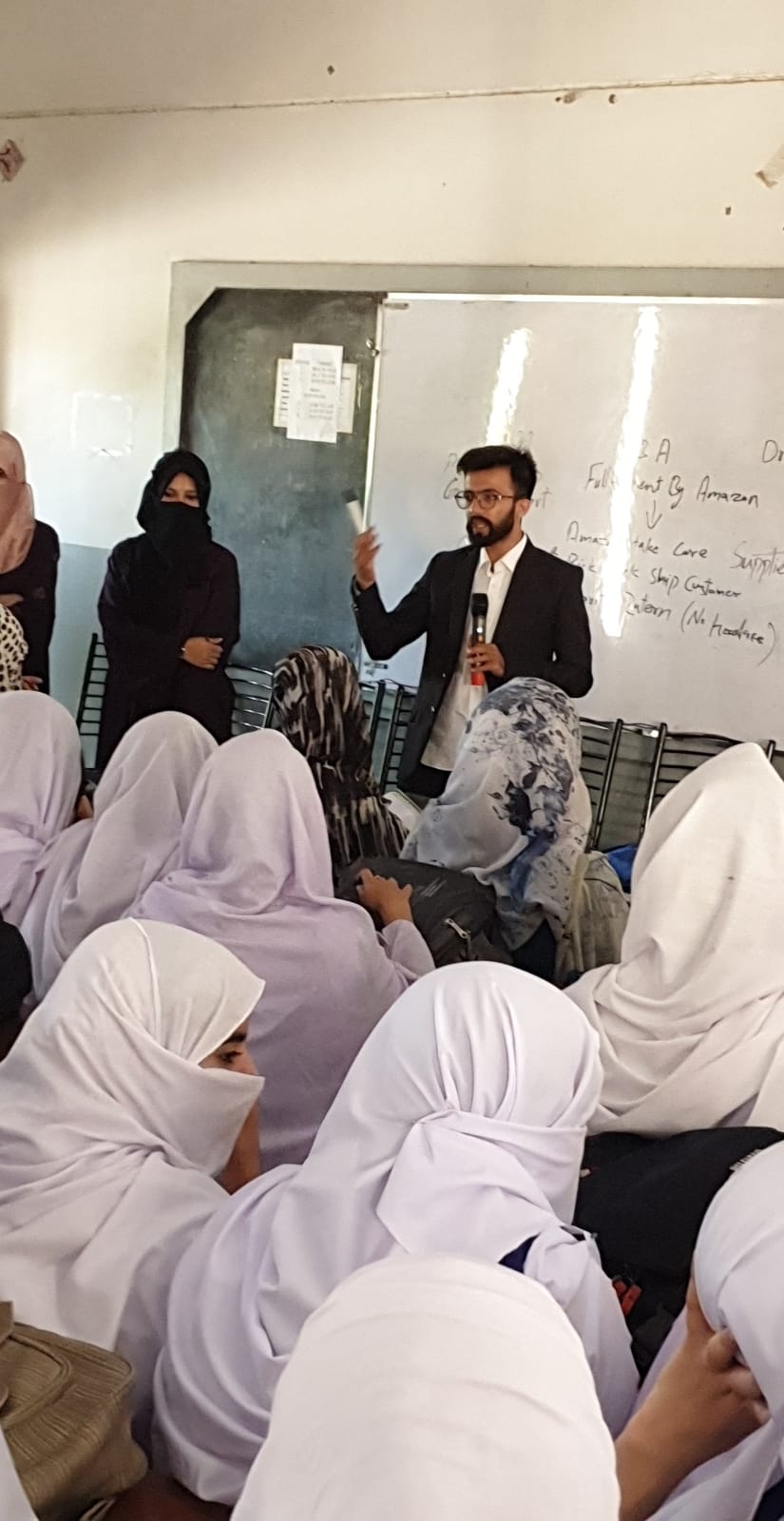
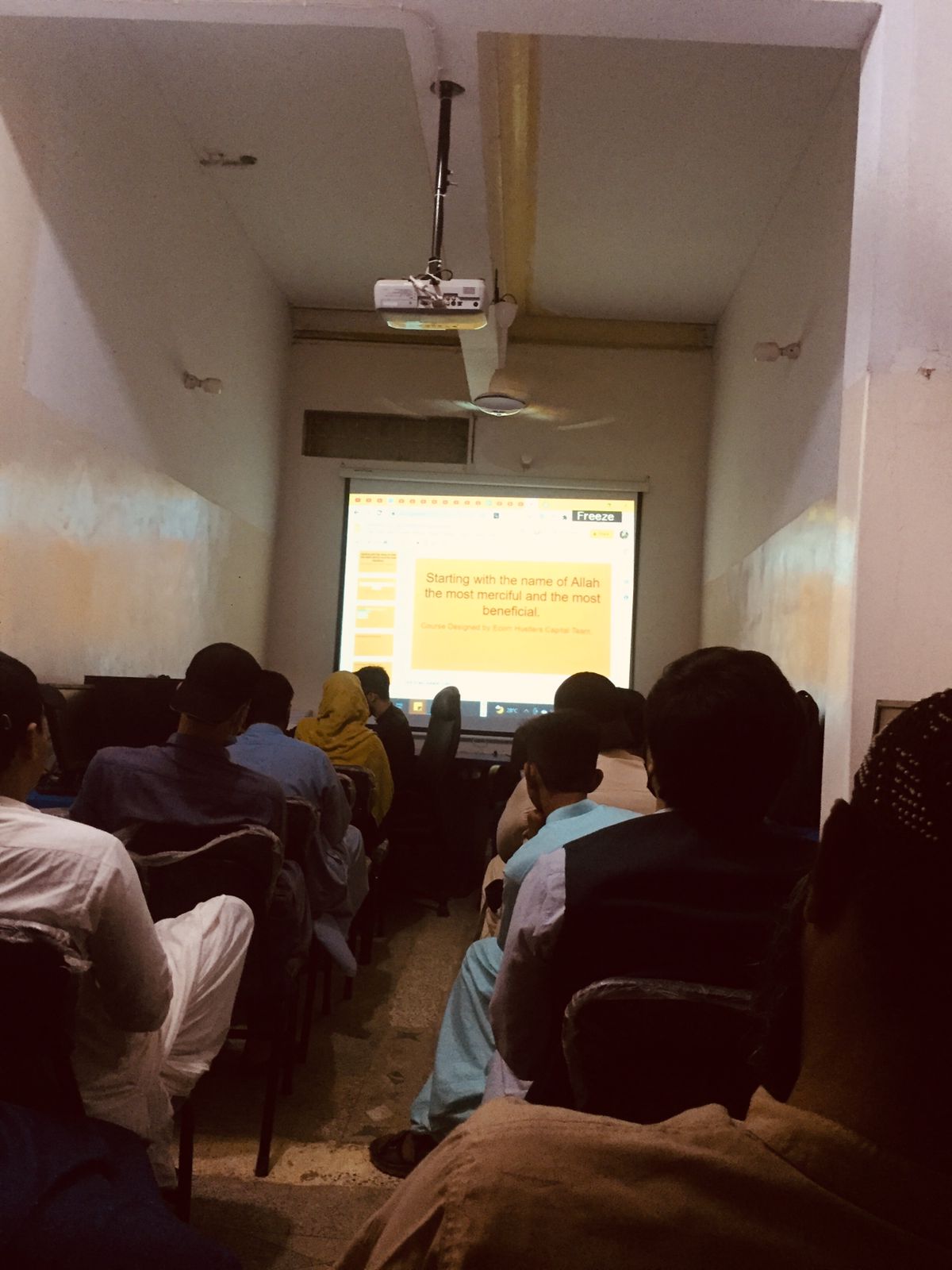
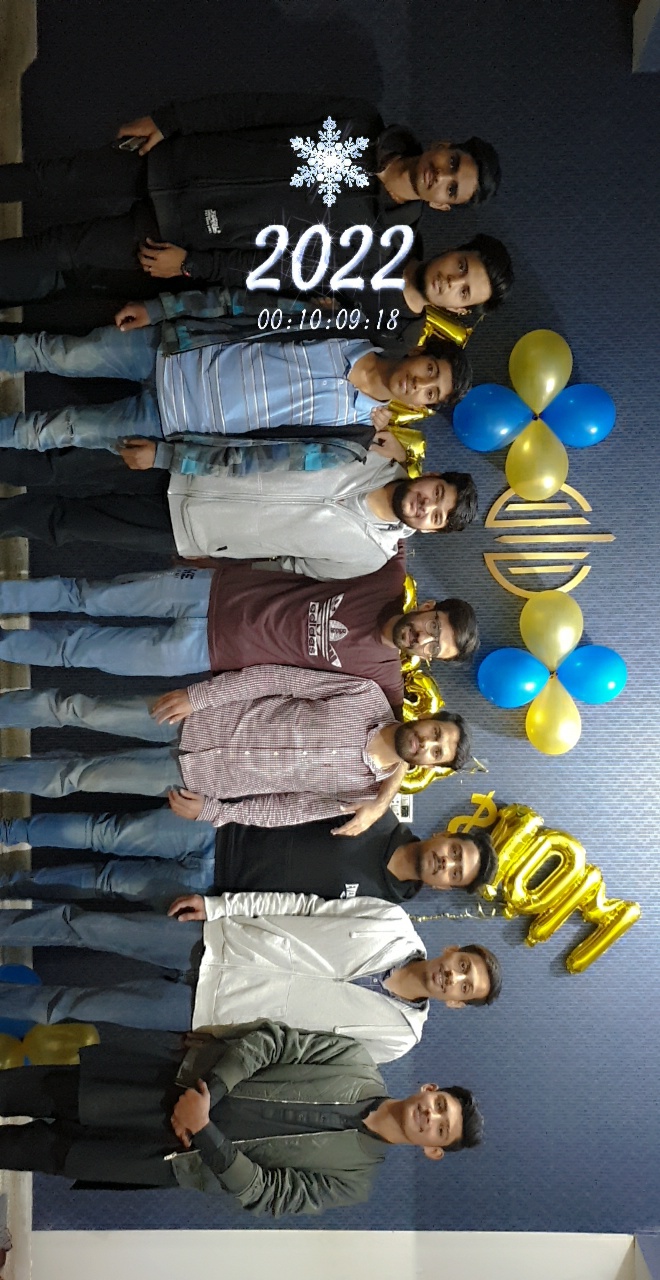
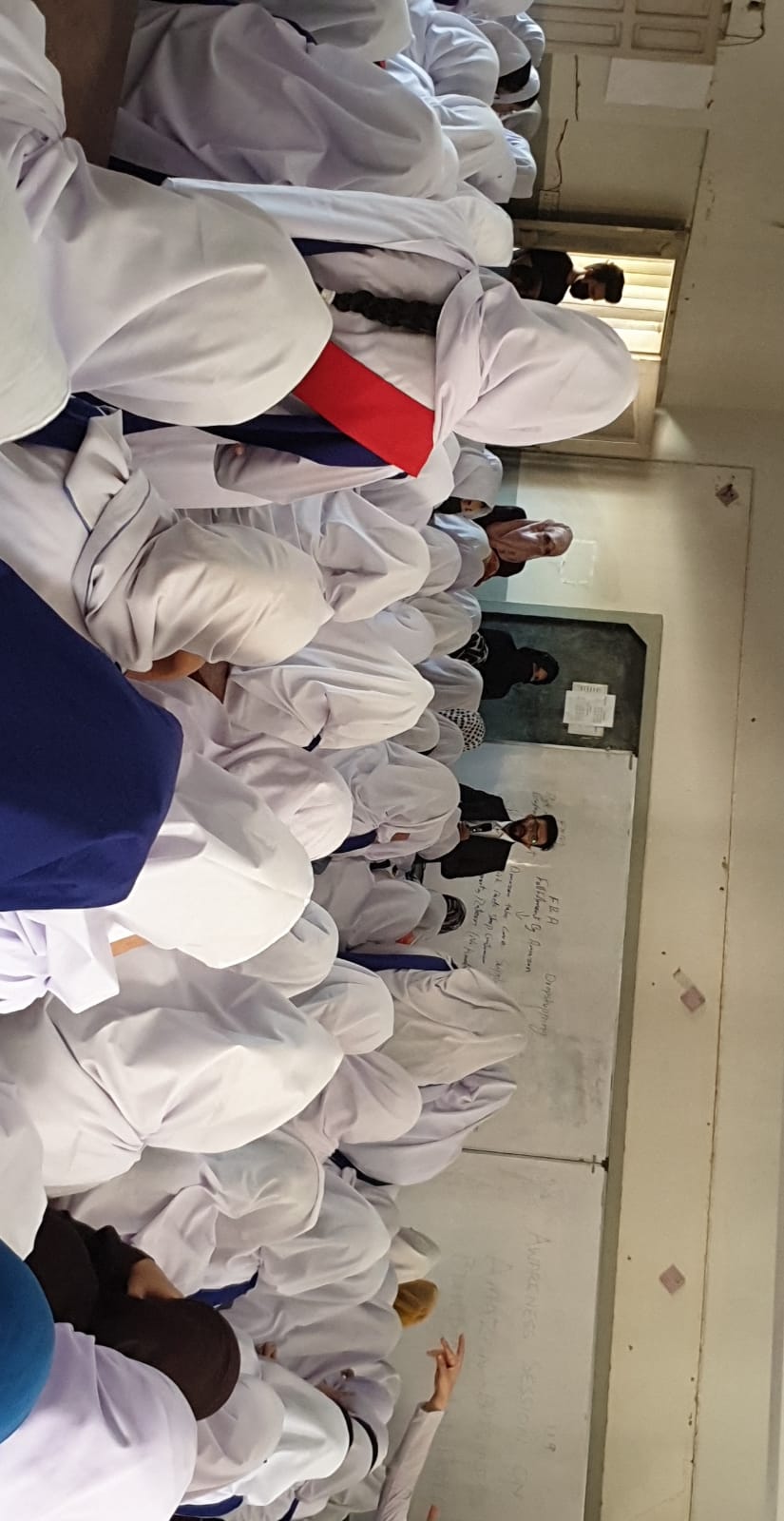
When he built his ecommerce agency — Ecom Hustlers Capital — he ran two offices simultaneously. He managed shifts. He matched US hours. There were weeks he did not go home at all — he slept a few hours on the office floor and kept working. He built a team of thirty people. He generated $2 million in client revenue in 2022. He was teaching, speaking at universities, starting every session with Bismillah because faith was never a decoration for him — it was the engine.
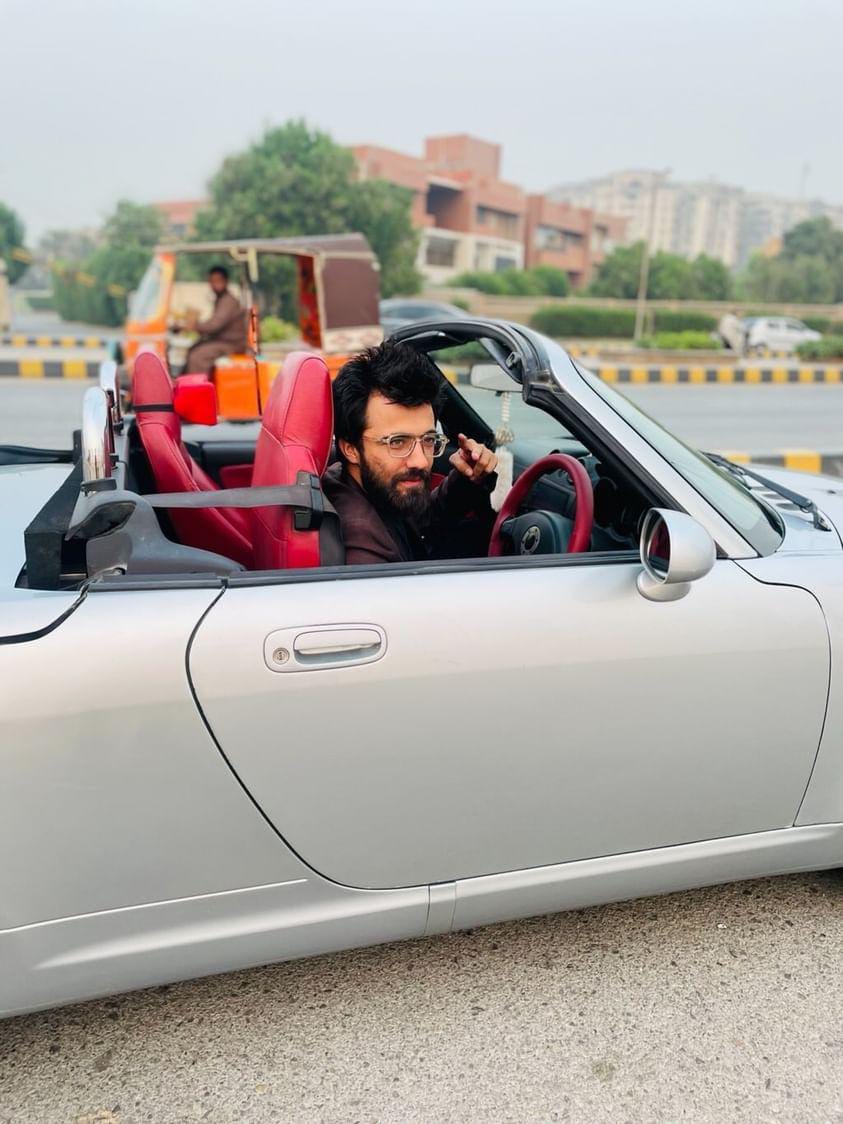
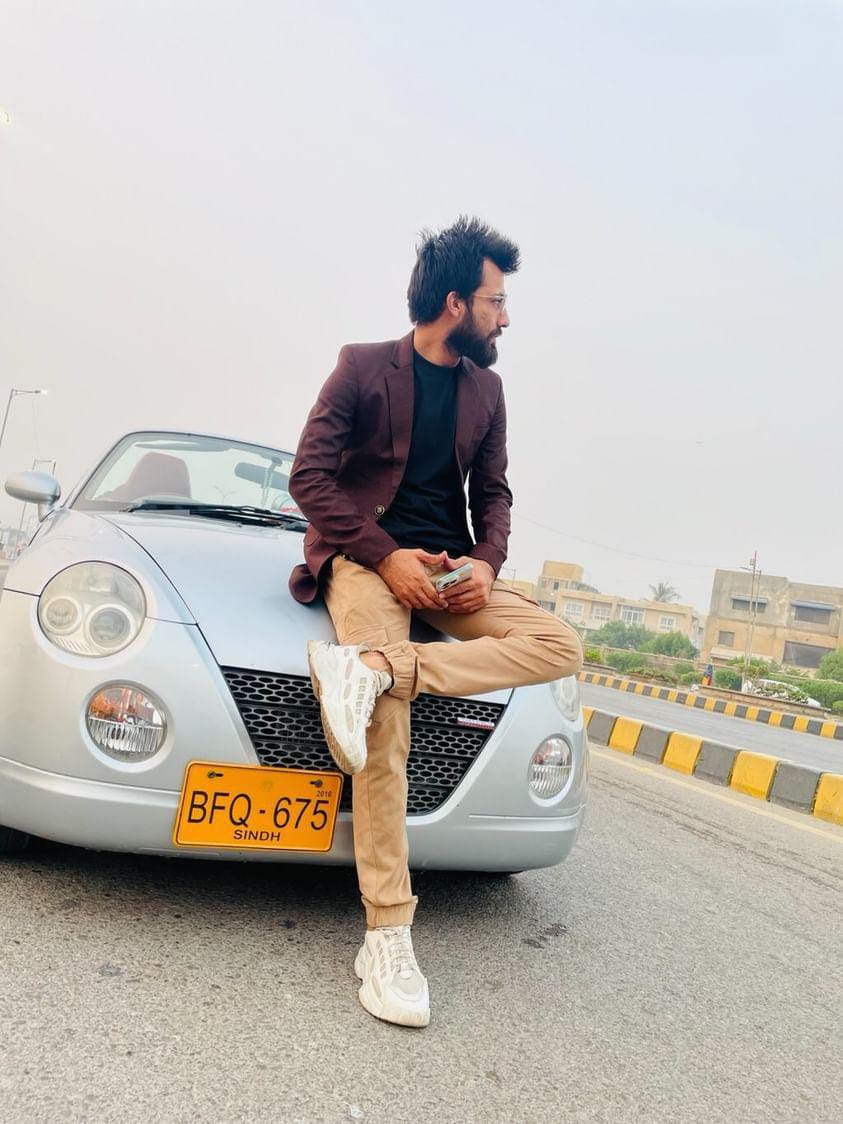
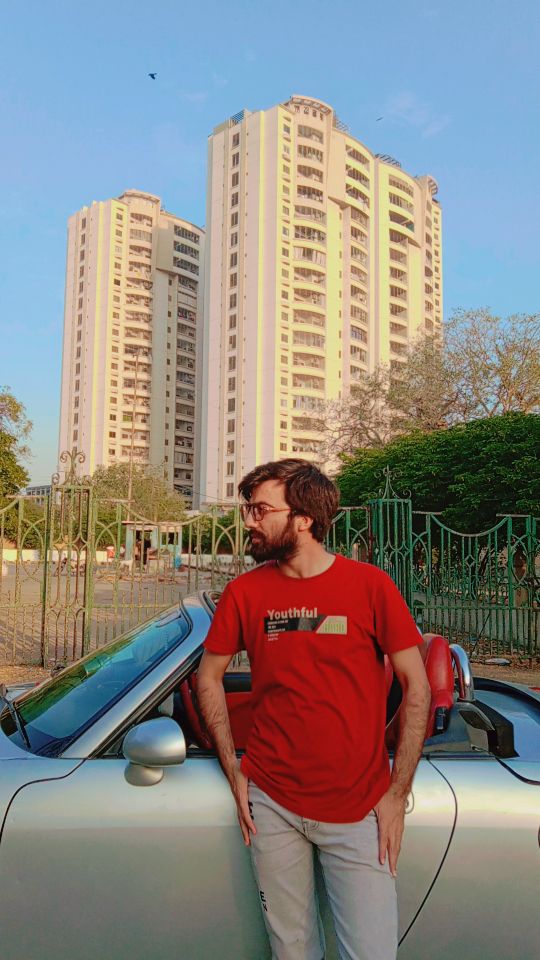
He named his convertible car Bubbly. He drove with the top down on the streets of Karachi. He sat on the hood and looked at the city skyline. He stood next to the biggest names in Pakistani ecommerce. He had earned every single bit of it — with his body, his sleep, his years.


Before everything fell, there was May. She was not just a person he loved — she was his lifeline. The person who made the 18-hour days feel like they had a destination. The person he was building toward.
They had planned their marriage. In Turkey. They had bought the tickets — $2,400 USD — and those tickets represented everything that mattered. A future. A home. A reason beyond the business. He was not just an entrepreneur chasing a goal. He was a man in love, planning a life.
Those tickets became part of the loss. Not the biggest loss in dollars — but perhaps the one that cost the most. Because May was more than a relationship. She was the anchor that, when she was gone, left him completely exposed to everything that came next. He believes — and he says this clearly — that if May had still been in his life, he would not have fallen for the next two scams. The loneliness that followed her absence is what opened the door. And the scammers walked right through it.
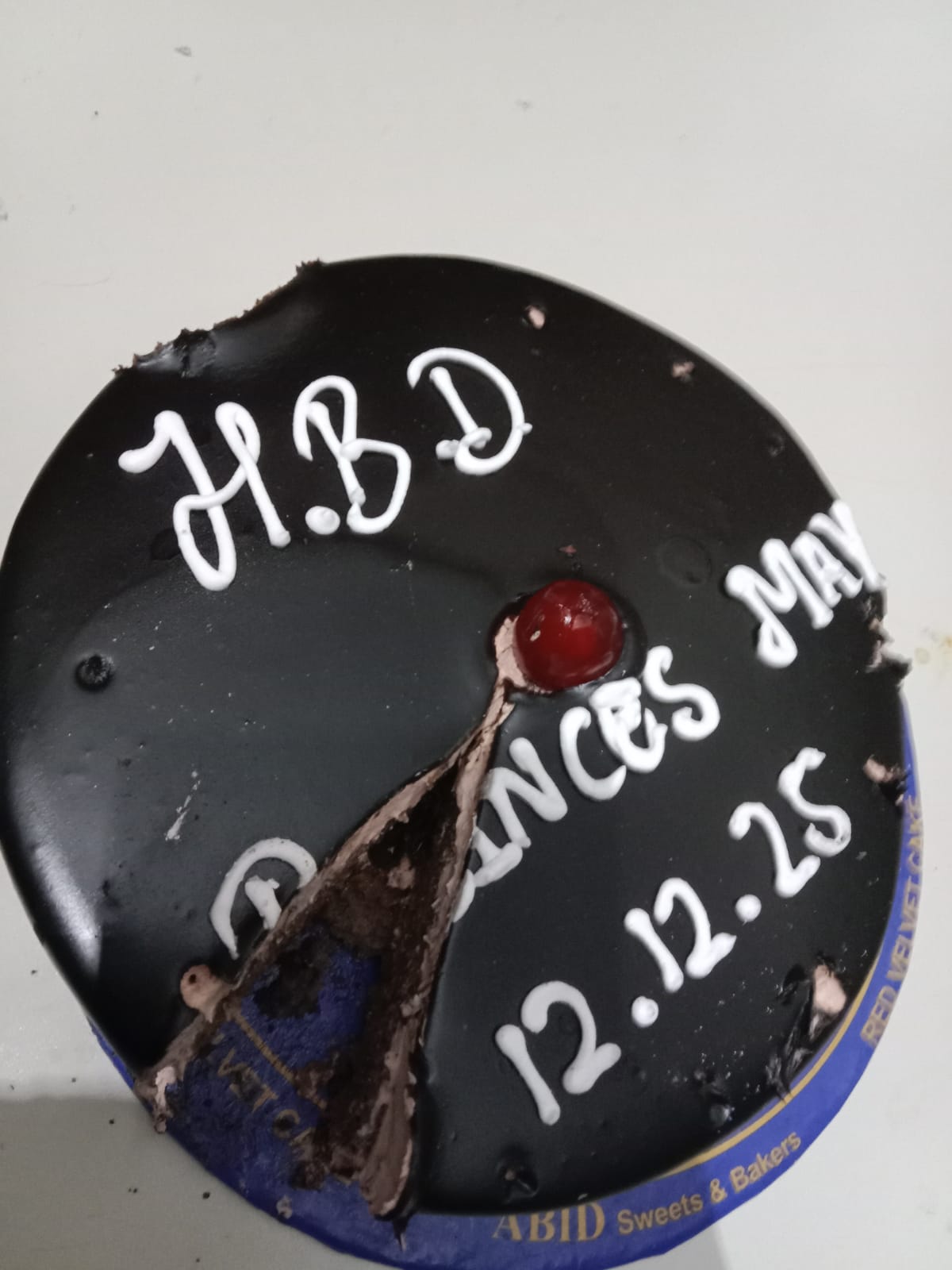
May lives on in the Elysium Care family. Her name is carried in the premium Jarfresh product line of BeUncheated — May's Surprise, May's Special, May's Delight, May's Dream, May's Warmth. Not as branding. As remembrance. Kuch cheezein sirf feel hoti hain.
The collapse did not come all at once. It came in three blows — each one hitting before the last had healed. And the first blow was not a stranger on a screen. It was someone who knew exactly who he was.
Over six months, what started as admiration became total psychological control. She studied everything — his faith, his loneliness, his trust. She knew he was deeply religious, so she made herself appear devout too. She told him an old man had once predicted, years before they met, that her husband's name would begin with the letter A — and that meeting him felt like destiny fulfilling itself. At the time, with her tone, her tears, her fabricated devotion, every word felt completely real.
Then came the manipulation. She invented stories of other men "blackmailing" her — men who, in reality, she had simply been involved with — and convinced him these innocent people were threatening her life. She love-bombed him publicly with painful, dramatic posts. And when he hesitated, she escalated to outright blackmail: marry her, or she would take poison. Marry her, or she would kill herself. She posted these threats to her WhatsApp status — calculated, public, designed to trap him in front of an audience he could not explain himself to.
She fabricated a story that she had been kidnapped and raped as a child because her father was a political worker connected to the men who took her. She said her own father never cared for her, never gave her money, because he hated her mother — and she resembled her mother, so he hated her too. He believed every word. He found out much later that the reality was different — she had been in and out of relationships for years, blackmailing people, until some of it finally caught up with her through her own family.
She told him to leave his own house — to become "homeless in her memory" — while she secretly ran off with another man she was already involved with. She told him that man was physically abusing her, forcing himself on her, and that she had no one left to save her. For two years, he could not walk to the local market near his own home — a market his mother had sent him to a hundred times before — because the memory of her was tied to those streets. He sent his brother or his cousins instead.
By the time it ended, she had taken six months to completely destroy a man and the business he had spent over a decade building.
He was innocent. He was naive. He says this himself — and he says it with no shame. He was a child in his heart, in the most beautiful sense of the word. He trusted people the way someone trusts who has never truly been betrayed before. The scammers did not exploit his stupidity. They exploited his goodness. His openness. His belief that people are fundamentally trustworthy.
Losing $150,000 was devastating. But the people around him — the circle he had fed, employed, supported — did not offer help. They offered mockery.
"What else are you going to try?"
"What is left for you to start?"
"It is over for him."
He did not respond publicly. He did not defend himself. He carried all of it. He made one decision in complete silence: the answer will not be words. It will be what gets built.
What followed the scams is the part of the story that most founder stories never tell. Because it is not clean. It is not inspiring in the conventional sense. It is just — the truth of what happens to a human being when everything is taken and there is nobody beside them.
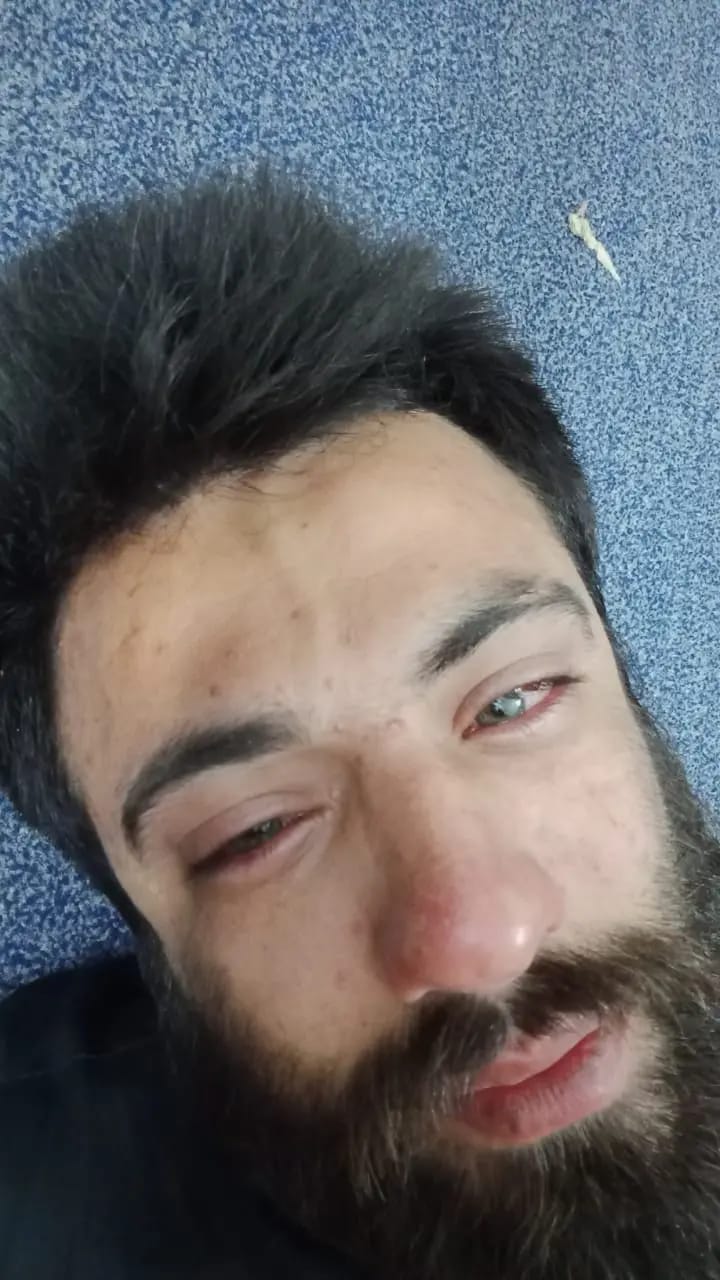
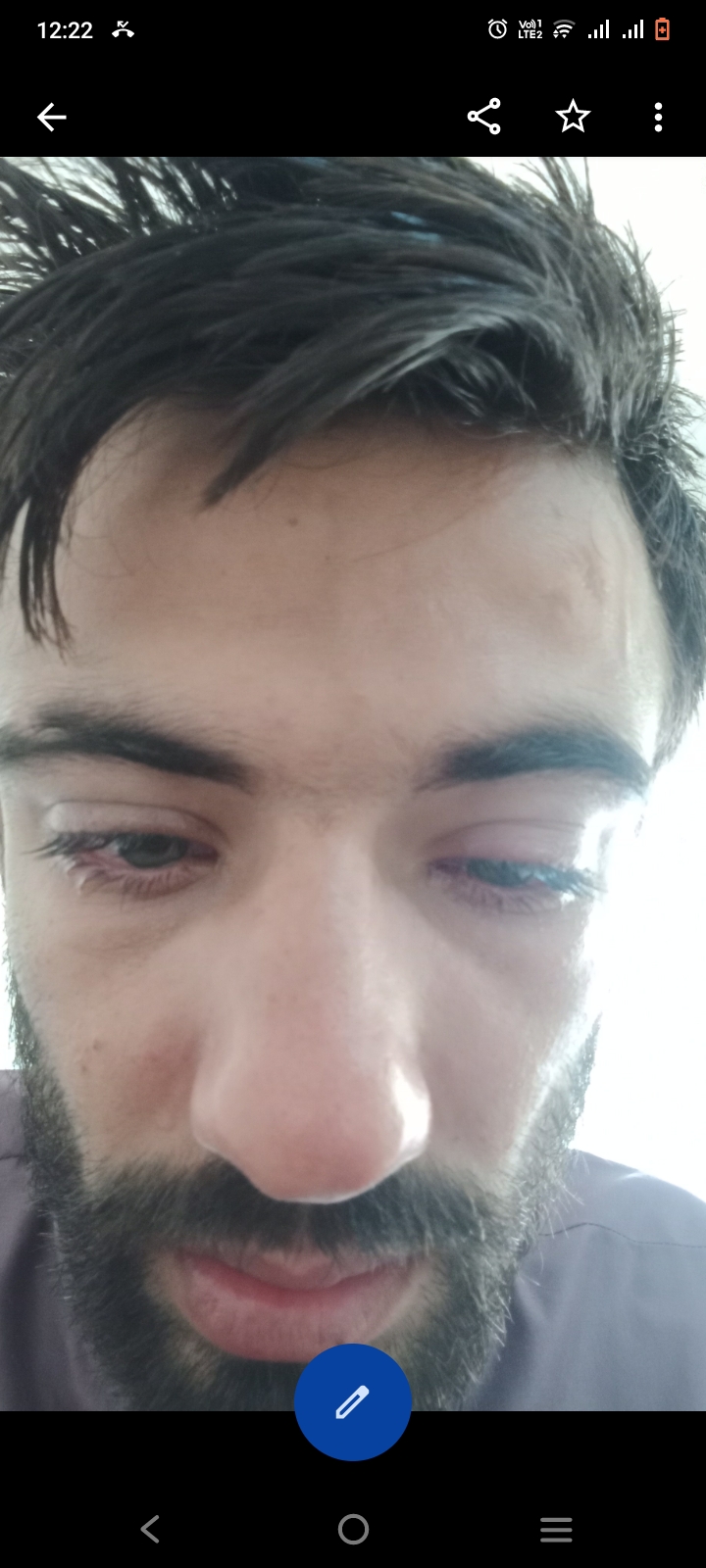
He could not tell his family. He is their only hope. Their provider. Their survival in a hard world. They had already suffered greatly — and he could not add this weight to theirs. They would see it on his face eventually. But the full extent — he carried that alone. Every single day. He showed the world he was fine. Inside — he was disappearing.


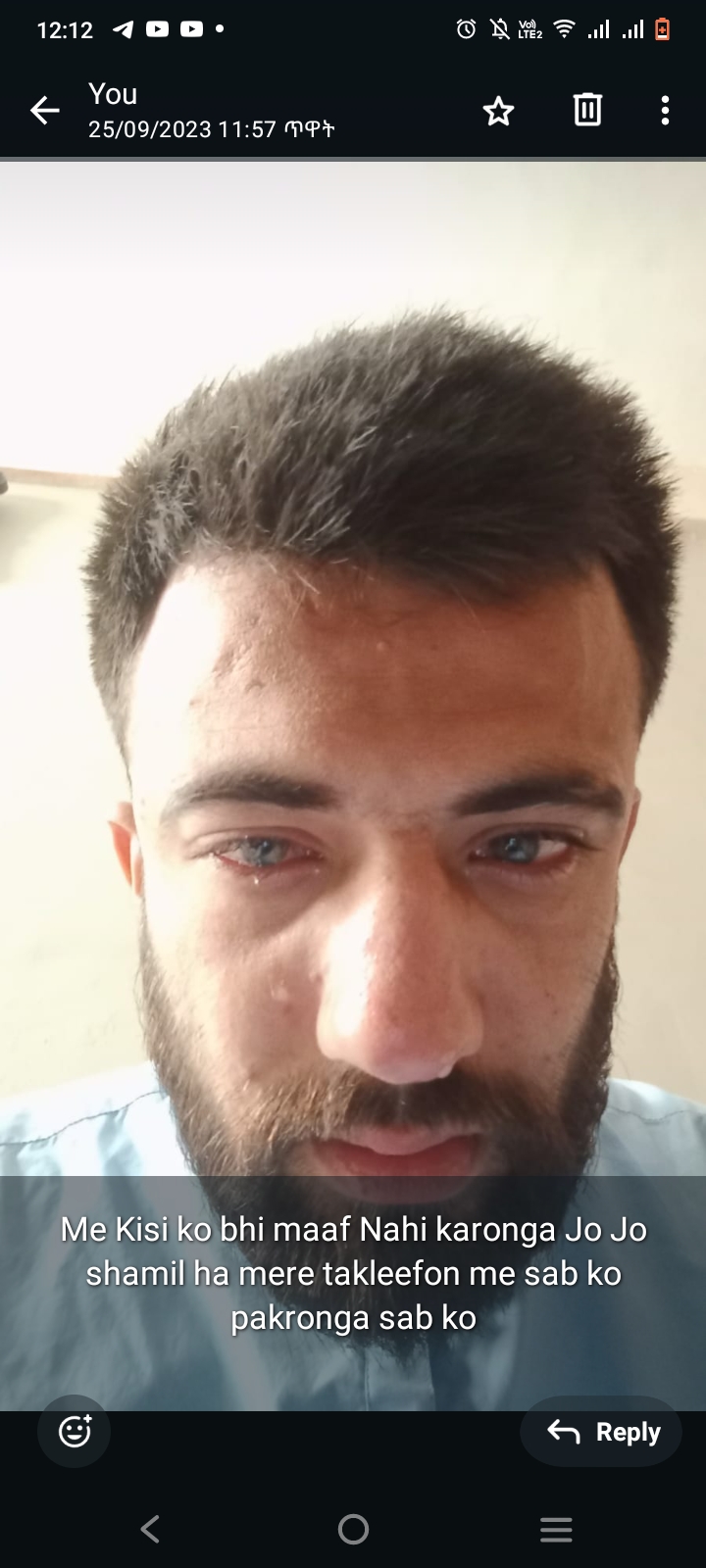
The loneliness was the most brutal part. Not the money. Not the failure. The loneliness. He would pick up his phone and open WhatsApp — not to send a message, but just to check. Did anyone reach out? Did anyone feel him? Did anyone notice? Did anyone want to help him heal? The answer, day after day, was no. He was posting painful things — not as content — but as the cries of someone who was hurting and had nowhere to put it. And the silence that came back was its own kind of violence.
The loneliness that the loss of May created is what he believes made him vulnerable to the second and third scam. When you are that alone — that desperate for connection, for someone who sees you — you become reachable by anyone who offers warmth. Even if that warmth is manufactured. Even if it is a trap.


There came a point where his body could not rest. Could not shut down. Could not find even a few hours of sleep without help. The panic attacks came without warning — dozens of them. His heart was failing under the weight. His legs stopped working — a falij attack that left him unable to walk for months.
And so he fell into substances. Not by choice in the way most people imagine that word. But because a broken body, in unbearable pain, alone, with no help, will eventually reach for anything that offers even a few hours of rest. He would resist. He would fight it. He would stop for a few days, a few weeks sometimes. And then the sleeplessness and the pain would come back harder, and he would fall again. And then wake up and hate himself for it. And the cycle would begin again.
He did not eat for days. Did not drink water for days. He lost himself in a foreign country — wandering, completely disoriented, sleeping in places no one should sleep. An ambulance found him once and took him back to his hotel. Army men in another country saw him crying so badly — completely uncontrolled — that they stopped, gave him water, and stayed with him until he could breathe again. He was that far gone. That completely alone.
There were three moments when he nearly did not survive. He shares this not because it is easy — it is the hardest thing to put into words — but because he knows that right now, someone reading this is standing in their own version of that place. And they need to know that the person who built Elysium Care was standing there too. And he came back.
The first — he stood on a flyover in a foreign country. Looking down. Alone. He came back. The second — he tried to drink poison, mixed into a cold drink. He came back. The third he carries privately — he does not disclose it. But he came back from that one too.
Three times. And every single time, what brought him back was namaz. Not therapy — he had none. Not a friend — there were none present. Not medicine — he had none. Just the prayer. Just the conversation with Allah at the times when nothing else existed. Just the act of putting his forehead on the ground and saying — I am still here. I am still Yours.


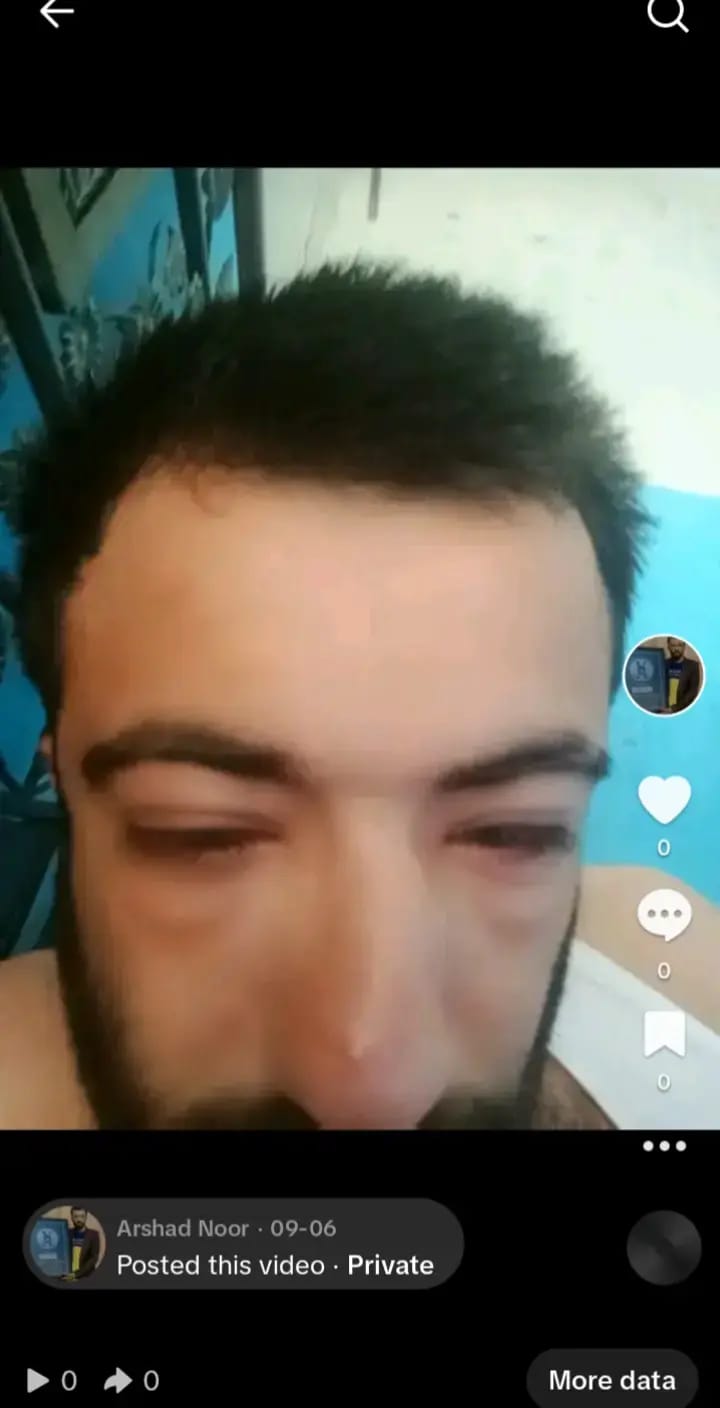
He posted videos on TikTok — private. Zero views. Zero likes. Zero comments. Just him, alone, filming himself in the dark because somewhere in him he needed to document that this was real. That it happened. That he was here, in this pain, and it was not imagined. Those videos exist. They are private. And they are the most honest record of what three years of silence looks like from the inside.
Namaz. Five prayers a day, every single day, through all of it. And Tahajjud — the voluntary prayer before dawn, when the world is completely quiet and honest, and you speak to Allah with nothing left to hide behind. Faith was not comfort in those years. Faith was survival infrastructure. The only thing between him and not being here.
After three suicide attempts. After a heart attack. After months unable to walk. After years of checking WhatsApp hoping someone would feel him. After the drugs, the panic attacks, the nights in foreign countries lost and alone — there was one more test. And this one did not come as a feeling. It came as a real, specific offer.
People he knew personally — close to his own offices, people who had shared tea with him, sat across from him — were already running real operations. Not abstractions. Specific businesses: fake call centers, fraudulent medical billing schemes, iPhone scams, credit card fraud, fake pop-up tech support scams, fraudulent car history report scams. They knew exactly how the money moved, and they invited him to open his own office and join them.
There was a second door too — a path to Dubai, into the world of crypto influencers. Pump-and-dump token launches. Posing in front of fake luxury — rented cars, rented apartments, rented watches — to convince strangers that a worthless coin was the opportunity of a lifetime. He had already seen exactly how this machine worked. He had been a victim of it. Now he was being invited to operate it.
He had every justification a person could need. He had been destroyed by people exactly like this. No one would have blamed him for becoming one of them. And for a moment, in the quiet of his lowest point, he considered it.
Then he thought past his own pain. He thought about the person on the other end of that phone call — someone's elderly mother, someone's tired father, someone who trusted a voice on the line the same way he had once trusted a woman who said she loved him. Why is it right to steal from someone? Why is it right to ruin another person's life for my own safety, my own recovery, my own needs? They don't owe me that.
In his darkest moment — with $150,000 gone, three suicide attempts behind him, his family unaware of any of it, the people who once respected him now laughing — Arshad Noor made the choice that most people, even those who were never hurt this way, would not have the character to make. He chose not to become what hurt him. He chose to build instead.
That refusal became a decision to fight back instead. He had seen, up close, how international romance scam networks operate — many running out of Cambodia, China, Vietnam, and Dubai — deliberately targeting the most vulnerable: seniors, the lonely, the trusting. He had watched people fall for romance scams, tech support scams, lottery scams, the "grandson in trouble" scam — new variations appearing every single day. He chose the harder path: build something honest, slowly, instead of something fast and stolen. Not because it was easier. Because it let him sleep at night, and because people who knew the truth could still respect what he did.
That choice is not a marketing line. It is the entire moral foundation of Elysium Care. Every service, every policy, every person hired, every scam survivor supported for free — exists because of the decision made in that specific moment. You cannot fake that kind of integrity. It has to be earned the hardest possible way.
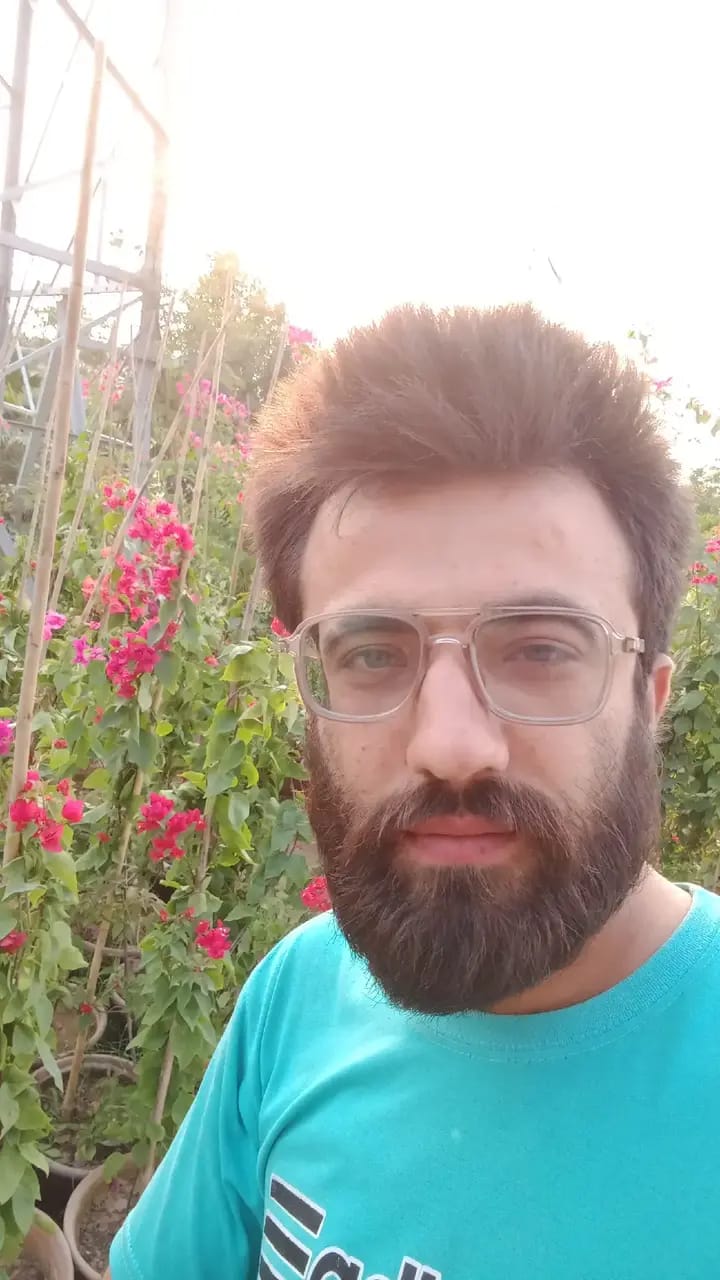
"I am an Entrepreneur by Birth. I will lose more than I win — but when I win, Inshallah, I will Win Bigger with the Help of Allah."— Arshad Noor · Personal Brand Quote
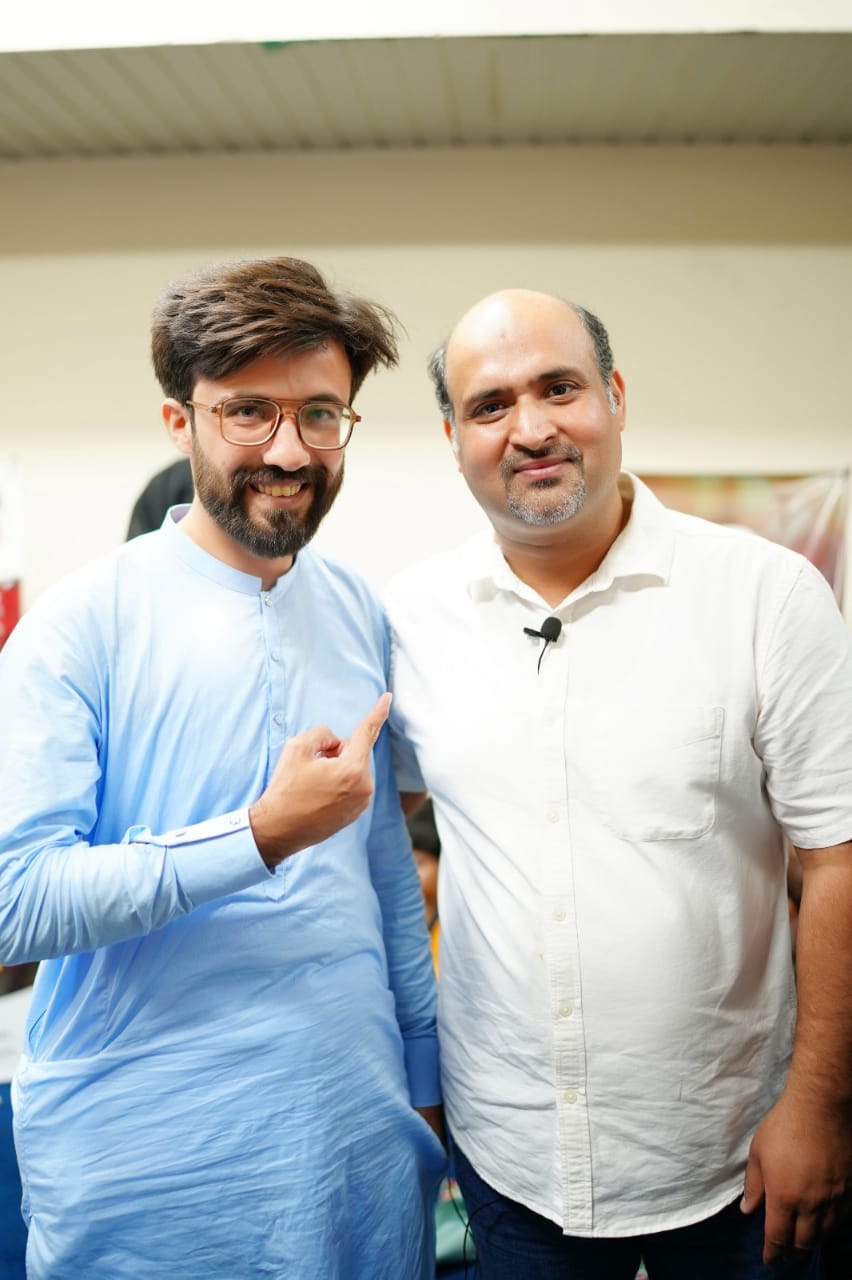
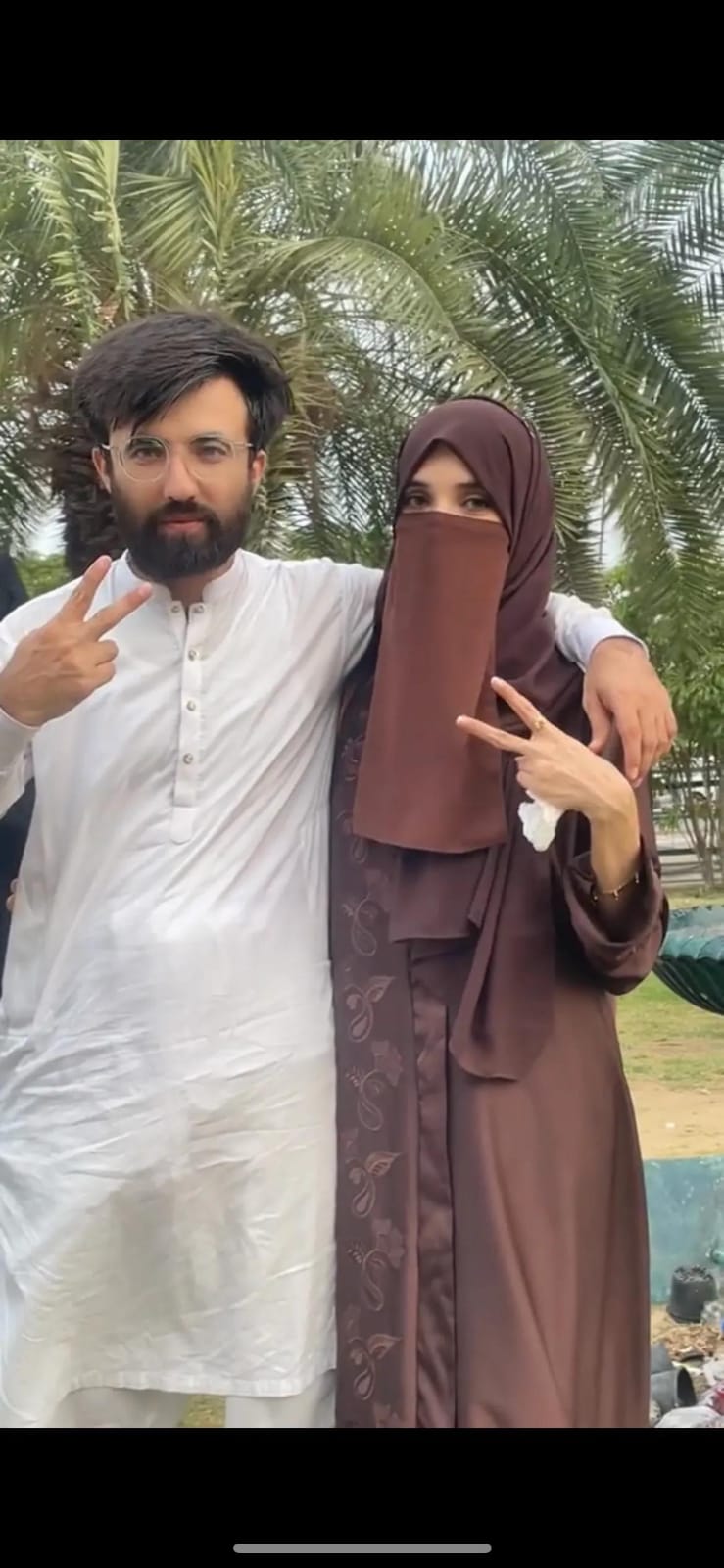
Arshad Noor & Co-Founder
"A lot of people — and the ones who scammed me — said it was over for him. They put me in darkness, loneliness, and suffering. And in that darkness, I found a better and stronger connection with Allah.— Arshad Noor, Founder · with Co-Founder Sumaira Noor
I replied silently, inside me, to all of those people:
It will never be over for me until I accept it is over.
And I will never accept this.
Inshallah. All and always depending on Allah SWT."


His family did not want him to share this story publicly. He is sharing it anyway — because right now, someone is in the same silence he was in. Checking their phone. Hoping for someone to reach out. Carrying something no one knows about. And they need to know that the person who built Elysium Care was there too. In that exact darkness. In that exact loneliness. And he came back. And he built the thing that should have existed when he needed it most.
You were not foolish. You were not greedy. You were not weak. You were deceived because of your beautiful, trusting, open heart — and that heart is worth protecting, not condemning. The shame belongs entirely to those who exploited it. Not to you. Never to you. Not for a single moment.
Whether you are a scam survivor in silence, a family protecting someone you love, or a senior looking for real human connection — Elysium Care was built for exactly this moment. By someone who knows exactly what this moment feels like.
Free Recovery Support Get in TouchA Request from Arshad Noor
“If anything I have shared here has moved you — or if Elysium Care ever helps someone you love — I ask for only one thing in return: please remember May and myself in your kind prayers.”
She gave me the wisdom that built this. Her name lives in our Jarfresh product line. Her advice lives in every act of care we offer.
Kuch cheezein sirf feel hoti hain.
— Arshad Noor · Elysium Care™